Let’s Talk: Campfires

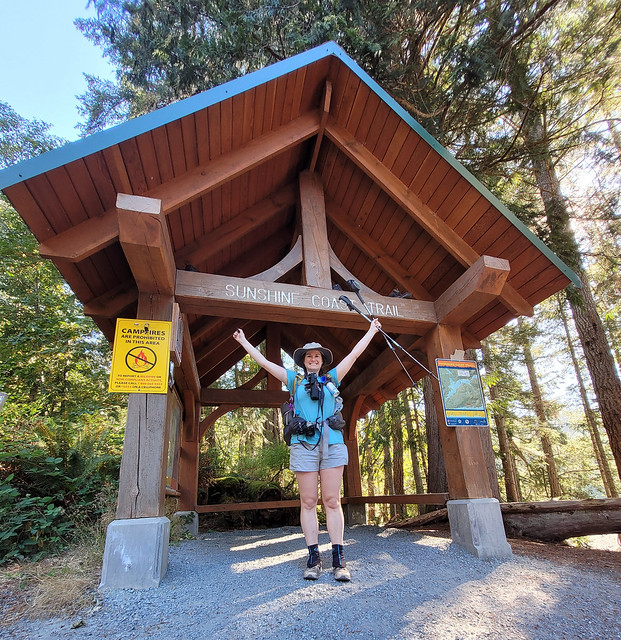
There’s only really one thing that matters when it comes to having a campfire in the backcountry – if it’s not allowed, DON’T DO IT. I’ve camped in so many locations and there’s almost always one group breaking the campfire rule. Just because someone else is doing it does not make it okay for you to have a campfire too. Just because you see evidence of fires from past campers does not make it okay to have a campfire. Forgetting to check in advance if fires are allowed also does not give you the right to have a fire. Campfires are not an “ask for forgiveness, not permission” issue. Respect the backcountry and always check first.

DSC06085

If you want to have a campfire when you’re hiking, there’s two things you should check in advance:

  1. Whether campfires are permitted. Most Provincial Parks don’t allow fires in the backcountry, though there are definitely some that do. Fires are a risk in parks and they can be destructive to the natural environment, but I think the main reason why Parks don’t allow fires is because of the impact of firewood collection. People will cut down and destroy live trees and shrubs in their zeal for foraging firewood and even dead branches have a lot of value to the forest ecosystem, so usually, parks are better off left alone.
  2. If there’s a fire ban. Regardless of whether fires are permitted or not, if there’s a fire ban in the area that you are camping in, then you cannot have a fire. Hopefully I don’t have to explain the risk of this one given the wildfires spreading all over the Pacific Northwest the last couple of years. So I usually try and prioritize campfire friendly locations in Spring and Fall since the fire ban will likely prohibit any fires throughout the summer regardless of location.

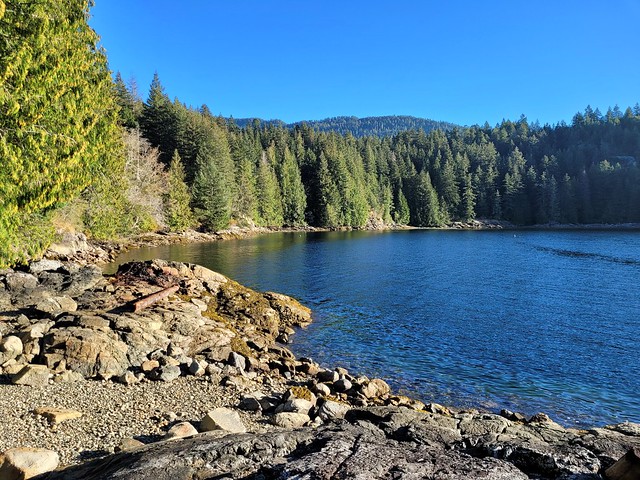
However, there are some times when you will be able to have a fire! The coastal trails on Vancouver Island (above photo) are a great place if you’re looking to have a campfire because the damp environment keeps the wildfire risk low and there’s lots of driftwood to burn, which has lower ecological value. Often if you stick to trail networks that are outside of park systems, fires are generally permitted as well, though there are some parks that permit campfires. Finally, if there’s no fire ban, campfires are almost always permitted in frontcountry campsites! This is a great way to enjoy a campfire because you don’t have to forage for firewood and there are often firepits provided, creating a safer environment for fires.

But if you are lucky enough to find yourself at a backcountry location where fires are permitted, what should you keep in mind?

  1. Safety: pick a good location for your fire. It should be away from your tent and anything that could catch fire from flankers. If possible, build a fire ring out of rocks to help contain the fire, or dig a pit in the sand, and always have a source nearby to put out the fire. Carolyn’s trick is to fill all our pots with water and keep them next to the fire in case it spreads. Or if you’re on the beach have sand nearby to throw on the fire.
  2. Firewood: like I’ve discussed above, try and disturb the surrounding environment as little as possible. Beach campfires are great because it’s easier to find rocks to create a pit and driftwood makes for great firewood. Never take branches from living trees and avoid larger logs – these are generally wet and provide valuable habitat to many forest critters. Stick to smaller deadfall that will be easier to burn and has less ecological value.
  3. Put out your fire: never leave a fire burning after you’re done with it. Even if it’s just embers left, douse them with water or throw sand on top. A fire should never be left unattended.

Tips for starting your fire:

  1. Stack your wood, by which I mean, start with smaller dry materials, move up to twigs, then sticks, then logs. As the fire grows, start adding the bigger pieces of wood to keep it going. Collect enough wood in advance so that you don’t have to leave the fire unattended to look for more. Use a pocket knife to make wood shavings for kindling, or find some small twigs from the underbrush.
  2. Bring a firestarter to help speed things along. I like to use fluffed up tampons because they’re tiny and burn well, but Brandon dips pieces of paper towel in hot wax and brings them with him. If you don’t mind carrying something a little bulkier, the old dryer lint stuffed in an egg carton and dipped in wax works great too.
  3. Make sure your fire always has oxygen. Use a pot lid to blow some air into the fire when you’re getting started and have a fire poking stick to turn logs over and keep the fire fresh.

I’m not really a fire expert, so if you have any more tips to share or if I missed anything, please let me know and I’m happy to add! Just remember, only you can prevent forest fires!

ECT Series: Cape Broyle Head Path

I’ve been trying to do an overnight hike on the ECT for a few years now and I finally succeeded with Cape Broyle Head. Emily’s done more of the ECT than me and this was the only section with a campsite she hadn’t done, so we went for it in early August of 2021. In total, there’s only 5 official campsites on the entirety of the ECT, but you can generally free camp along other parts of the trail if you can find a good spot for it.

The campsites are located on longer sections of trail, which Cape Broyle Head is at 18km. It’s listed on the ECT website as difficult to strenuous. It’s a bit of a drive from St. John’s and at the time my family was all sharing one car, so Mom and Dad decided to drive out with us on Saturday, hike a few kilometres, and then turn around and return the next day to pick us up on the other end. The trail runs from Cape Broyle to Calvert. We didn’t put too much thought into direction – the campsite is located 7km from Cape Broyle, so we decided to start in Calvert to get the longer distance (11km) done on the first day.

DSC00161

There’s a nice view out towards Ferryland as you leave Calvert. On this particular day it was extremely windy, but there’s a viewpoint located approximately 1km past the trailhead, which we made a visit to. After that you climb up and over the headland. It’s a bit of a slog uphill, but honestly it’s not that bad and we didn’t really think much of it. Probably about 15 minutes in total. Mom and Dad hiked over with us in hopes of another viewpoint. Sadly though, after the headland it’s a pretty steady hike through the forest with no viewpoints, so we stopped in the woods and had lunch and then Mom and Dad turned around to go back to Calvert.

20210807_124537

This section is pretty flat and easy and continued to the 4km mark, where you can descend off the trail to a nice viewpoint. It might have made for a nicer lunch stop, but there’s not much room there, so I’d recommend continuing on and we only stopped briefly. The weather was pretty good for hiking, it was overcast and calling for rain later in the evening, but it hadn’t yet made an appearance. The trail continues to meander up and down around Church Cove, Shag Rock Cove, and Shipwreck Point. It’s a bit of a slog though – you get a few viewpoints down to each cove, but for the most part it’s in the trees. But we did make a lovely discovery at the top of Church Cove! There is a picnic table in this location, so it makes for a really nice rest point or lunch break. I can’t recall seeing many picnic tables along other sections of the ECT, so it was a nice surprise.

DSC00184

Just before you hit the 10km mark, you get a beautiful view down into Lance Cove. It was a pretty calm day on the water and there were a few boats that had pulled ashore with some families hanging out along the beach. Despite glimpsing lots of beaches on the ECT, often they’re not accessible from the trail. We assumed this to be the case for Lance Cove because it looked pretty sheltered, but we were thrilled to find a steep staircase heading down to the beach right at the 10km mark! We continued down the trail and found a nice place along the beach to drop our packs and go for a quick dip in the ocean. It was pretty cold, but it’s always nice on your tired muscles after a day of backpacking.

20210807_164031

By this time, it was getting later in the day, about 5 or 6pm, so we packed up to hike the last kilometer to the campsite. The campsite is located at Freshwater Point which looks down to Lance Cove from the other side of the bluff. There’s an outhouse and it’s just a short walk down to the river to get water. I can’t remember exactly how many tent pads there were, but I want to say about 5. They’re all in the trees and there’s not really enough space to free camp on the ground anywhere, so we had to stay on one of the pads. Unfortunately the tent pads are kind of in rough shape, with missing boards and loose nails, but we were able to find enough space to set up the tent. There was one other woman camping overnight and she had set up on another pad and gone down to Lance Cove for supper.

20210807_174013

There’s not a great view from the campsite, but you can peak down to Lance Cove through the trees. In this case, there was a storm coming in that night, so we were happy to be sheltered in the trees. We did also run into another couple while we were getting water and they told us they had happened upon a small cabin on the way in and decided to stay there. We passed it the next day and it had a couple of bunks, but I’m not sure the history of it or whether it’s supposed to be accessible. But it turns out, of everyone else we encountered on the trail, we were the only ones going from Calvert to Cape Broyle. Apparently the headland has a bit of a reputation from the Calvert side and the other campers were impressed we had hiked up over it. We were impressed they were saving the longer distance for Day 2 considering there was a fair bit of rain in the forecast for Sunday, but some of them were just turning around and going the same way back after Lance Cove.

DSC00167

We had a nice supper and hot chocolate before getting ready for bed. There’s no bear cache at the campsite, but there are bears in Newfoundland, so we decided to hang our food. It’s pretty rare to encounter bears, so I don’t really know anyone in Newfoundland who practices bear safety. I always like practicing my bear caching skills, so we went for it. I didn’t have the best luck though, I ended up with too strong a throw that wrapped itself around the branch twice and it took me a while to get it down again to hang it properly. Then in the morning, one of our carabiners had become stuck on a branch overnight and we ended up having to get a really long stick to poke our food out of the tree, so not the best bear cache I’ve ever made.

IMG-20211222-WA0031

Unfortunately the rain moved in overnight and it was pretty wet when we got up the next morning. We did a tent breakfast before packing up to hike out in the rain. It did stop raining not too far into our hike, but there’s a lot of vegetation and mud along the trail and we still got soaking wet from rubbing against all the plants on the way out. We only had to hike 7km, but it resulted in a much slower pace than the previous day and we knew Mom was probably going to be waiting a little while for us on the other end.

20210807_191417

Overall it was a bit of a miserable hike out. Aside from Lance Cove and the view right out of Calvert, there’s not really a lot to see on this long trail. It’s almost entirely forested and didn’t make for the most inspiring day. I did really love Lance Cove, but I think if I was ever to return, I’d probably just hike out to Lance Cove and back from Cape Broyle since that’s the only real highlight on the trail.

Eventually we stumbled into Mom on the trail, she’d decided to hike in and meet us and we hiked the last 1 or 2 kilometres out together. There is a nice beach right at the end of the trail, but if you’re coming from Cape Broyle, you don’t really have to hike far to get to it. We had a good time because we love hiking and camping and the two of us don’t really get to do it together very much anymore, but I wouldn’t rank it as one of my favourite sections of the ECT. Best done as an overnight.

DSC00172

Camping in the wind and rain at Kilby Park

This will be a short blog post about a short trip, but it was exciting enough that I decided it was worth writing about! My friends wanted to get one last camping trip in before snow season and booked up 3 campsites at Kilby Park over the Remembrance Day long weekend. They all drove out after the Remembrance Day service on Thursday and Brandon and I joined them on Friday evening after work. It ended up pouring all Thursday night and most of Friday, so I didn’t regret my decision. The rain finally stopped as Brandon and I were driving out and it didn’t rain again until the following afternoon.

But a little bit of information about the Kilby Campground. Kilby Park is located near Harrison Mills and it was my first time visiting the area. Historically there was a mill located in the area and Kilby was the location of the train station, so people travelling between Chilliwack and New Westminster would stay in the area. At the time there was a 14 room hotel, general store, and post office located at the train station, so visitors would often stay the night. Today, the original building has been turned into a museum and a small campground developed along the river to provide revenue towards maintaining the site.

20211113_082157

Like I said, I’d never heard of the park, but I was pleasantly surprised by it’s location. The campground is located right on the banks of the Harrison River where it empties into Harrison Bay and has gorgeous views. I would love to return in the summer and hang out on the sandy beach and go kayaking around the bay. On this particular trip though, it was pretty wet and chilly and the campground itself left a little something to be desired. The campsites are definitely intended for campers and RV’s and we were the only people staying there that were in tents. The sites have a strong parking lot vibe, with very few trees and little privacy. But the views really can’t be rivalled, so I wouldn’t be opposed to going back.

Brandon and I arrived just after sunset. The rest of our crew had been there for 24 hours already, so they had constructed a pretty good set-up, with several pop-ups over the picnic tables and fire. We’d gone on a pretty large wood finding mission before the trip and had stockpiled a huge pile of construction waste to burn through and keep us warm. Carolyn and Steve made our supper for the night and had cooked salmon and roasted veggies over the fire in tinfoil packages, which was delicious!

20211113_092637

Unfortunately, though we had foreseen the rain, we hadn’t accounted for the wind. It’s very rare that we get wind at all in BC and as we were eating dinner, the wind started gusting up off the water and lifting up the pop ups. We tried pegging them down, but the sites are designed for campers and the ground quality was poor, so we ended up having to guyline every corner of the pop-ups as well. Fortunately that did the job and they didn’t give us any more problems after that. We spent the rest of the evening enjoying the fire and the break from the rain. Carolyn recently got a Golden-Doodle puppy named Jasper, so we loved getting to hang out and snuggle with him. I decided to leave Sadie home with Seth because she is pretty high maintenance and reactive and I didn’t think she would do well in the open-concept campsites (also I didn’t want to sleep with a wet dog).

20211113_114130

We camped in Brandon’s tent and I finally had another reason to use my -30 degree sleeping bag, which obviously kept me super toasty warm all night. I slept better than expected and we got up with the sun at 8am for a full car camping breakfast of eggs, bologna, and hash browns. We also had a fabulous view of several eagles and saw 3 of them hanging out along the beach throughout the morning. We later learned we happened to be visiting during the Eagle festival, so it was nice of the eagles to show off for us!

Having a look at the upcoming forecast, we made the decision to take advantage of the dry weather to take down the tents. We’d been planning to stay Saturday night as well, but it was calling for an insane amount of rain starting in the afternoon, as well as wind, so we figured we didn’t want to battle both elements and have to take home a ton of wet gear in the morning. This ended up being an excellent decision as this was the weather event that ended up flooding entire towns in BC. At the time, the forecast was calling for 150mm of rain in the Fraser Valley, by the end of the storm, some areas of the province ended up getting close to 300mm of rain. This resulted in heavy flooding and destruction in Merritt, Hope, and Abbotsford, as well as the flooding and collapse of several highways, causing BC to declare a State of Emergency for the third time in 2021. So if you have any doubts about climate change, please educate yourself because the effects are very real and devastating.

20211113_092558

Around noon we decided to check out the Kilby Museum. It’s only open on the weekends in the off-season, so we walked up the road and paid the $10 entrance fee to tour the museum. They’ve preserved the old hotel and store as much as possible and added several exhibits in the old hotel rooms about the development of the Fraser Valley through the years. We really enjoyed touring around and they have a really nice gift shop that also sells homemade pies! That’s where we learned about the historic use of the site and it was nice to learn something new.

20211113_134526

It started to rain a bit after that and most of our party took off to head home. We stayed a little bit longer and Brandon cooked up his infamous Thai chicken curry for us and Carolyn and Steve. It did start to rain in earnest then though, so we packed up as much as possible, just leaving the pop-up over the picnic table until the last minute. Unfortunately, because we had cut the trip short, we had a lot of firewood leftover. I’m the only person with a yard and fire-pit at home, so we ended up loading all the leftover wood aboard Brandon’s car and Seth and I now have a huge stash for next year!

It was around 3:30pm when we left and it was torrential downpour the entire way home. We were very satisfied with our decision to leave early and didn’t fully understand just how wise that decision was until news started to break the next evening about the devastation the rain caused. So in conclusion, the Kilby sites leave a little something to be desired, but I would love to return in the summer to take advantage of recreation activities in Harrison Bay and would totally recommend checking out the museum.

20211113_134750