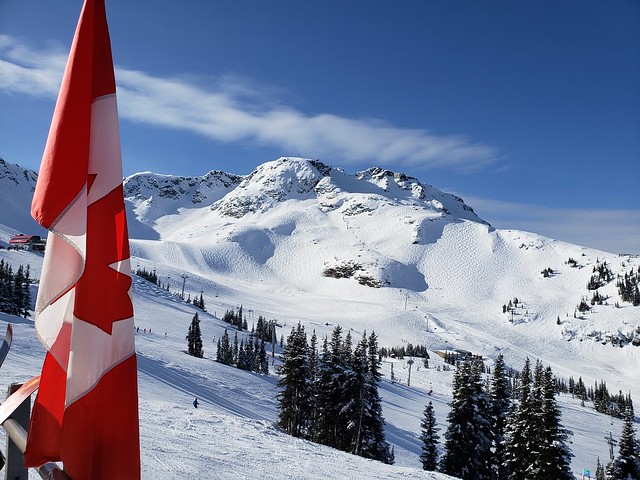
Ski Resort Series: Blackcomb

Even though Whistler-Blackcomb is one big resort, I decided to write about them separately since it is two different mountains and I’ve spent so much time skiing both. I posted about Whistler first, so check out that post for more general info about the resort, like lift passes and parking.

IMG_8432

Creekside is not an option for parking if you’re skiing Blackcomb, but there is an upper parking lot for Blackcomb if you want to jump right on the Blackcomb Gondola – though I understand it fills up pretty quickly. We always park in lots 4/5 (no matter which mountain we’re skiing) and take the shuttle over to Whistler village, so we always take the Excalibur Gondola up to start. The benefit of the Blackcomb Gondola is it takes you right to Rendez-Vous, which is the main hub on Blackcomb. Excalibur only goes halfway up and then you have to switch to the Excelerator Chair.
20190106_125124

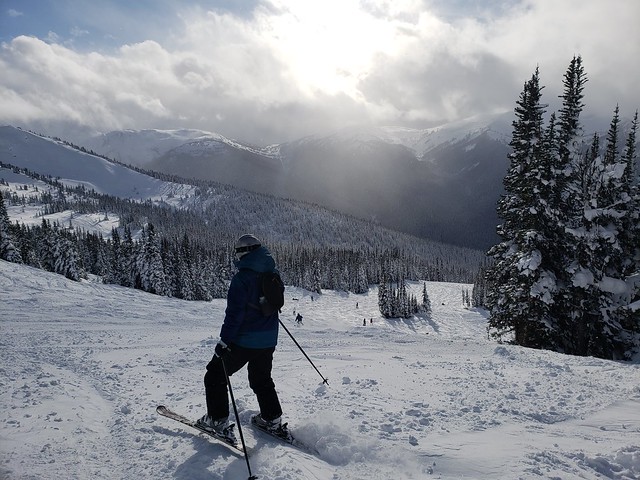
For a long time, Whistler was my favourite mountain. I loved going up the Peak Chair and eating at Creekside. I liked the long runs that swing you around the mountain and how many different lifts there are. But over time I’ve grown to really love Blackcomb. I don’t think I can say I like it more than Whistler, but they’re definitely tied and I try and alternate back and forth every time I visit.

20170205_145626

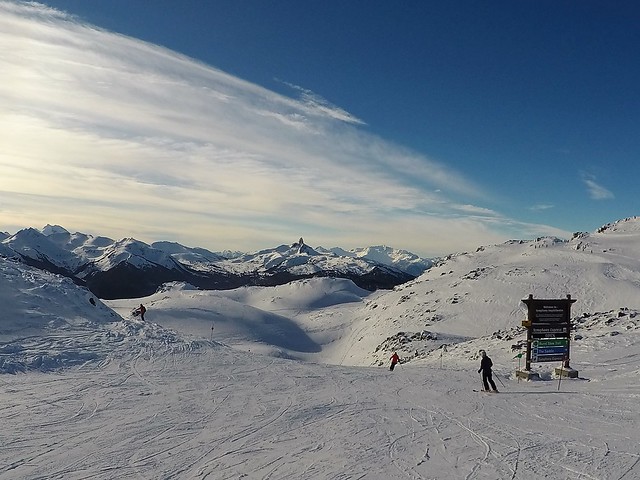
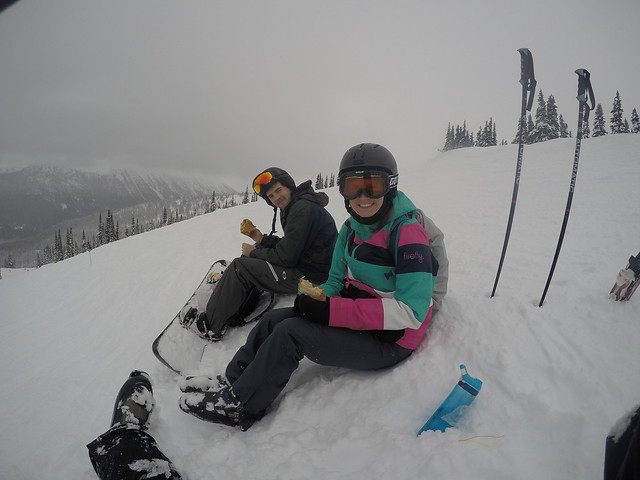
The most popular runs on Blackcomb are at the 7th Heaven chair and it’s easy to understand why. On a clear day you can see all the Black Tusk and the surrounding mountains. 7th Heaven is completely clear of trees at the top, so it has amazing views before branching off into a dozen different runs. There’s a small café at the top and while it’s almost impossible to get a seat inside, Brandon and I have spent more than one occasion enjoying our home-packed lunches outside at the picnic tables or on the slopes. Otherwise, we usually hit up Glacier Creek for lunch. It’s large and the crowds usually clear out a bit by 1:30pm. I find it much busier at Rendez-vous and usually try and avoid eating there.

DSC08589

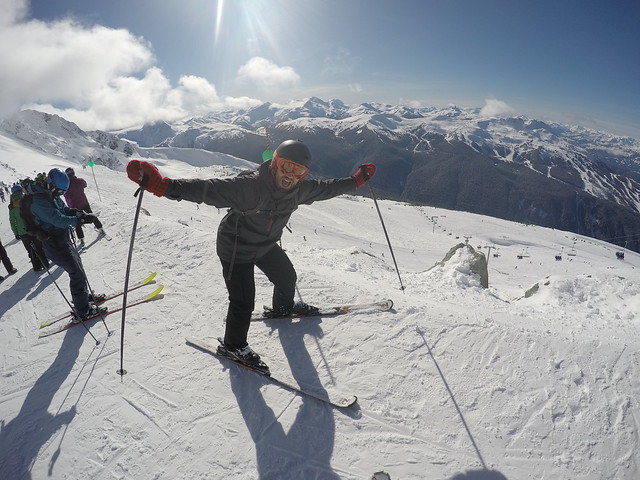
Once we get to 7th Heaven we’ll usually spend half of the day skiing there. There are tons of runs and you can pop in and out of the glades when you reach the top of the ski-line. There’s almost always small ramps scattered throughout the top, so Grant and I usually like to play around and test our abilities (we get at most a few inches of air, but we love it!).

If the conditions are bad though, 7th Heaven can be a bit of a nightmare. With no trees to shield you from the wind and blowing snow, visibility can be really bad at the top and they’ll often close the entire chair if the conditions are dicey. But on a clear day its really the best place to hang out!
GOPR2374

After 7th Heaven, Glacier Chair is really popular, but it’s never been one of my personal favourites. A lot of the runs at Glacier are more advanced and though my skiing has improved in the past years, I still like to play it a little more cautious. However, I recently discovered something new in the Glacier Chair area that is totally worth checking out!

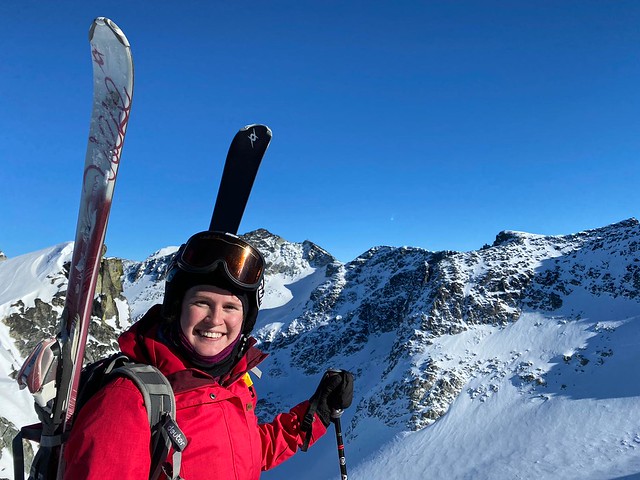
At the top of the Glacier Chair, there’s a small t-bar called the Showcase T-bar, which takes you just a little bit further up the mountain. I’ve always ignored it because I hate t-bars, but I recently learned that if you’re willing to do a short walk, there’s a run at the very top of showcase that goes down the back of Blackcomb Glacier to an ice cave! It’s shown on the printed resort map, but I guess it doesn’t see that much traffic because after the t-bar, you have to take your skis off and walk upslope about 5 minutes to get to the top of a bowl going down by Blackcomb Glacier. It only takes about 5 minutes, so it’s totally worth it in my opinion, but it is steep, so I was pretty out of breath from carrying my skis.
IMG-20210123-WA0018

Once you get to the top of the bowl there are gorgeous views looking out over the mountains. Advanced skiers will climb further up the bowl, but I think most people just ski down from there. It’s steep at the top, but nothing unmanageable. The caveat with this run though is that it does go through avalanche terrain. The resort has a warning posted at the top of the lift that you are entering avalanche terrain, so make sure to check the bulletin before going. Fortunately the risk was low when we visited.

GOPR3735_1611460526434

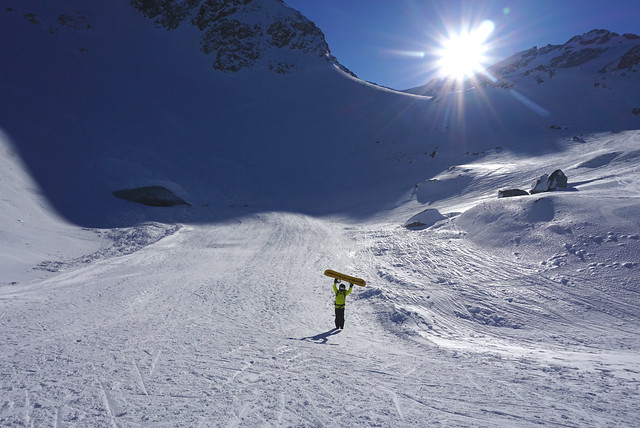
It’s a gorgeous run, we played it safe and followed the ski markers down the center of the bowl. When you get to the bottom of the first part of the bowl, if you look to the right, you’ll see the Blackcomb Ice Cave along the side of the run. We skied down to it and spent some time exploring and taking photos. This was my first ice cave, so it was a really neat experience, but I’m not knowledgeable about ice cave safety, so we ventured inside the opening, but not beyond as we had no idea what the risk was.
DSC08630

It’s a bit of a climb uphill again after the ice cave, but no where near as steep, I was able to ski it, but Brandon walked his board out. The run continues down around the back of the mountain and connects in again at the Crystal Chair. We had perfect weather when we visited the ice cave, so it made for a really fun day. I couldn’t believe I had skied the mountain for 7 years before discovering its existence!

Crystal Ridge can be a fun place to ski and I’ll often do a run or two in that area, but Jersey Cream is probably my favourite chair after 7th Heaven. It’s a shorter chair with limited runs, but I really like the views. Otherwise, there’s a ton of fun blue runs to do around the middle of the mountain and that’s where I’ll usually finish out my day. Depending on the conditions, we will ski down to the bottom, but sometimes we’ll download the last section on the gondola. Just be careful when you ski down that you take the right run based on where you parked. One leads to Whistler Village while the other leads to Blackcomb base.

IMG-20190302-WA0016

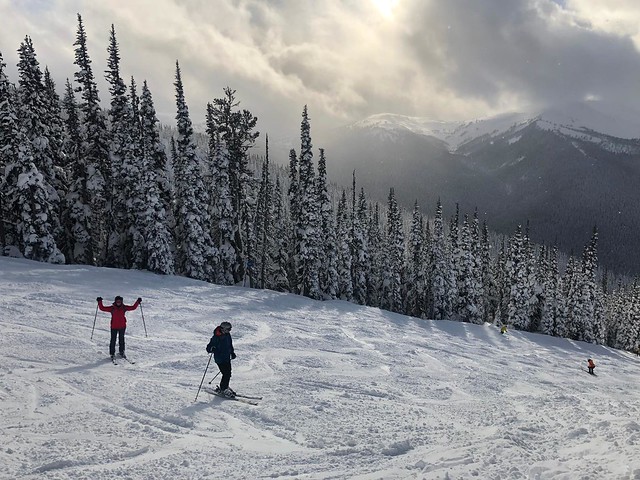
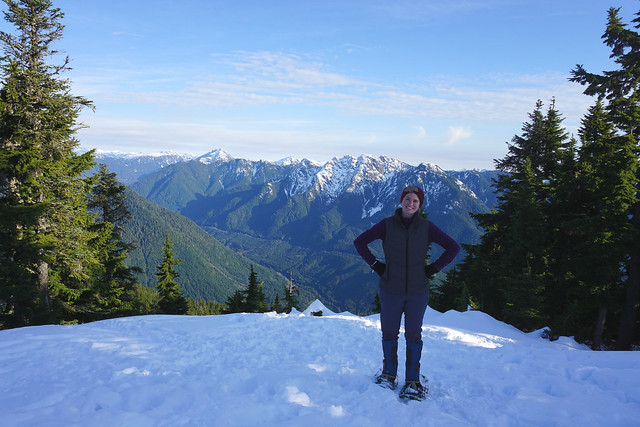
And that about sums up my thoughts on Blackcomb and Whistler. It’s definitely not cheap to ski there, but I keep coming back every year because there’s such a wide diversity of runs, the snow is usually better than the local mountains, and it’s much closer driving distance than going all the way to the interior. I still ski Cypress a lot too, but I always have the best time at Whistler-Blackcomb! However, be aware that with covid, reservations are now required prior to arriving and all the restaurants are operating as booking only. So unless you bring your own lunch to eat outside, plan ahead! Otherwise, have fun!
IMG-20190106-WA0019

Snowshoe Guide to the North Shore

Over the past few months I’ve been posting about all my favourite snowshoe trails on the North Shore. I was invited to write a guest post for Modo as one of their ambassadors, so I decided to share the compilation post here as well! Depending on the weather conditions, snowshoeing is possible all over the lower mainland; in Golden Ears, Pinecone Burke, and Eagle Mountain. However, the most reliable place to find snow is on the North Shore. Other parks are located at lower elevations, so the bottom half of the trails will often be bare, but the North Shore will almost always have snow into March.

Before You Go

DSC02363

If you’re new to snowshoeing, you can rent equipment either on the mountain at Cypress, Grouse, or Seymour, or from a number of local rental shops in the lower mainland. Snowshoes are great for fresh snowfalls and for cutting through powder, but microspikes can also be used on heavily trafficked trails where the snow has been compacted. If in doubt, just use snowshoes, which will keep you from slipping on any snowy surface.

Before you go, make sure to research the trail and the weather and avalanche conditions for that day to ensure you’ll be safe. Take the 10 essentials with you and leave a trip plan with a friend or family member so that they know when to expect you back. If you’re going into avalanche terrain, consider taking an avalanche safety course. While all of these trails are located in “simple” terrain, you should always check the conditions before going out and be prepared.

Getting There

Winter tires or mud + snow tires are required on the roads to Seymour and Cypress. The good news is the majority of Modo’s fleet is equipped with M+S tires and a portion of the fleet have full winter tires. The North Shore sees a lot of traffic during the winter from both skiers and snowshoers, so if you’re planning to drive up to Cypress or Seymour, leave early. Seymour currently runs a shuttle from the base of the mountain to the top to help accommodate traffic. If you’re going up Grouse Mountain, make sure to reserve the gondola in advance as it is running at lower capacity during the pandemic.

I have driven Modo vehicles to the top of both Cypress and Seymour and on days when I prefer to have a later start time, I use Modo to commute to North Van and take the Seymour shuttle. When I go snowshoeing off the Sea to Sky or in Manning Park, I usually prefer to take a vehicle with full winter tires. My favourite vehicle for everyday use is the Toyota Corolla on Charland & Blue Mountain and my favourite vehicle with snow tires is the Toyota RAV4 on Elliot & Dickenson!

Seymour Mountain

DSC03247

Dog Mountain and Dinky Peak (6km, 260m elevation gain) – The trail to Dog Mountain and back is 5km and has a great view of the city from the end of the trail. Extend your trip by 1km and snowshoe the Dinky Peak loop on your way back, which has a beautiful view of the backcountry.

Brockton Point AKA First Peak (4km, 200m elevation gain) – The First Peak trail takes you up the edge of the ski resort to the top of the chair lift. It’s a steady, steep trail, so come prepared for a climb, but the view from the top is super rewarding!

Discovery Trails (customize your trail from 2-5km!) – For $15, you can purchase a trail pass to explore Seymour’s Discovery Trail network. This network has 4 different trail loops that are flagged and managed by the resort and are a great place to try snowshoeing for the first time!

Grouse Mountain

DSC03345

Dam Mountain AKA the Snowshoe Grind (5km, 400m elevation gain) – Reserve the gondola to the top of the mountain and get a great workout on the Snowshoe Grind up to Dam Mountain loop trail! From here you can see down to the city and out to the snowy backcountry!

Thunderbird Ridge (6.5km, 450m elevation gain) – Extend your day and continue an extra 1.5km and back from Dam Mountain along Thunderbird Ridge. This trail is usually less crowded with lots of powder to play in – plus an epic view of Crown Mountain!

Grouse Loop (1.5km, minimal elevation) – If the snowshoe grind isn’t your thing, check out Grouse Loop and explore the little winter wonderland hidden in the trees!

Cypress Mountain

DSC07995

Hollyburn Mountain (7km, 400m elevation gain) – Hollyburn trail leaves from the nordic area and is one of the more challenging trails on the list, but boasts a beautiful view from the top. While a lot of these trails can be done with microspikes, I recommend taking snowshoes for the top section of this trail, which is wide and generally not as compact.

Bowen Island Lookout (3km, 120m elevation gain) – Bowen Island Lookout is a short trail that leaves from the downhill ski area and has a great view looking over Howe Sound. The trail cuts through the meadows and then climbs up to the lookout. Stop into the backcountry hut in the first parking lot (not the ski lodge) to get a free trail pass before you start.

Hollyburn Trails (customize your trail up to 10km!) – For $16, you can purchase a trail pass at the nordic area to explore 10km+ of flagged snowshoe trails. You can connect with the Hollyburn Mountain trail if you want to go all the way to the top.

Ski Resort Series: Whistler

What to say about Whistler. It’s a world renown ski-resort for a reason.

Skiing Whistler was definitely one of the things I was most excited about when I first moved to Vancouver. Since moving here I’ve probably skied Whistler-Blackcomb somewhere between 15-20 times and it’s been a different experience every time.

GOPR0393

The mountain and the views are incredible, but Vancouver’s milder winters definitely results in inconsistent skiing experiences. My first season skiing Whistler was in 2015, which was extremely disappointing because the whole region barely got any snow the entire season, so it was pretty wet on the mountain and not all the chairs were able to open. However the years that followed were a huge contrast and I had some really excellent powder days on the mountain, especially in 2017.

The biggest downside to skiing Whistler is by far the cost. It seems like tourists just accept the high price tag that comes with staying at a resort like Whistler, but for locals, it’s expensive. We always drive up and back from Vancouver on the same day to avoid paying for an overpriced hotel room. Plus is seems that the lift passes get more and more expensive every year; after Veil bought out the resort in 2018, it really felt like they were trying to the locals out. These days it’s somewhere around $180 to buy a single day lift pass at the bottom of the mountain, which is absolutely ridiculous for a mountain with limited skiing hours (8:30am-3pm at it’s shortest).

GOPR0410

The price tag has been a deterrent for a lot of my friends in recent years, but personally I love this mountain, so I keep coming back every year. The trick is to buy an Edge Card in advance of the season to save on lift tickets. The cards vary every year and you can usually choose anywhere from 2 to 10 days, meaning you can ski any day of the season for that number of days. This year I got a 2 day card for $220, so significant savings over buying it the day of. Other years I’ve gotten 3 day cards and once I even got a 6 day card. The more days you buy, the better the value.

But let’s talk about the actual mountain. Whistler Blackcomb is made up of two mountains that have been merged into 1 big resort. I’ve decided to write about them separately, so I’ll just talk about Whistler in this post. There is a peak to peak gondola going between the two, but we usually just pick one mountain and ski there for the day.

GOPR2369

Whistler is the larger of the two mountains and is favoured more by skiers then snowborders. You can upload onto the mountain either from the main lift in the village, or from Creekside, which is a few kilometers before the main village along the highway. I’ve heard it’s nice to upload from Creekside, but there’s a lot more parking at the main village, so we always start from there. It can be a long wait for the first gondola up, so we usually do the singles line to beat the crowd.

When I first started skiing Whistler, I spent a lot of time near the Harmony Express lift. It’s a good area for intermediate skiers and there are amazing views from the top of the lift, plus a good variety of runs. If you’re just visiting though, your top priority should be making sure you head up to the Peak Lookout. As far as the skiing goes, it’s not my favourite area, but it’s by far the best view on the mountain, so make sure to do at least one run up there to catch the view! It’s also the place to go if you want to do the longest possible run on the mountain. We rarely ski down past mid station as the snow is just not that good and you don’t want to have to wait to upload again, but if the conditions are good, it can be fun to ski some of the lower runs later in the day when there are no waits at the bottom.

20160109_121441

In more recent years though, Symphony Express has by far become my favourite part of the mountain. It’s a bit of a trek to get over there at the start of the day because you have to upload on a few different lifts to make it to that side of the mountain, but once you get over there, there’s great skiing in Symphony Bowl. Plus there’s usually less line ups and still a great view from the top of Symphony Chair. So these days we usually make a beeline over to that area.

Since Whistler is such a big mountain, there are lots of easy runs criss-crossing the mountain as well. It’s why snowboarders tend not to like Whistler as much as Blackcomb, so we usually have to convince Brandon to come over there with us (he’s our only boarder). But no matter what part of the mountain you ski, there’s tons of great runs and amazing views. Although sometimes they won’t open Peak or Symphony Chair on snowy or windy days.

20190302_095408

A few more tips if you’re visiting Whistler. The lines for food at Roundhouse can get really crazy during peak lunch hours, so we usually try and eat a little later to avoid the crowds (usually around 1:30ish). Sometimes we bring sandwiches to eat on the mountain and sometimes we just snack all day and quit around 3pm. Depends how cold it is and who’s with us. In earlier years, we used to hit up Creekside for lunch, but it seems to have gotten busier lately, so I usually prefer Roundhouse.

As for parking, I recommend going in lots 4 and 5 at Whistler Village. They are further from the village, but it’s a lot easier to get a spot and there’s a shuttle bus that goes right to the village. It used to the be free to park there, but Whistler Municipality has recently started charging $5 for the day. Lots 1, 2, 3 have always been pay parking at a steeper rate.

GOPR2282